The pursuit of a lower weight is incredibly widespread in modern society, but is it always beneficial? While losing weight can undeniably boost health and increase confidence, sometimes rapid or drastic weight loss can be a indicator of underlying issues. Extreme dieting or unhealthy methods of reducing food intake might cause nutrient deficiencies, muscle loss, and even impact bodily processes. Therefore, it’s crucial to approach weight management with consideration and, ideally, under the supervision of a trained doctor who can evaluate personal circumstances and ensure a safe and sustainable approach.
Sudden Weight Loss: When to Worry
Unintentional loss in overall weight, especially when you're not actively to drop pounds, can be a cause for worry. While the few instances might be due to simple lifestyle changes, it’s crucial to seek medical attention if you notice a substantial decline in your weight without implementing dietary or exercise alterations. Underlying medical conditions, such as hyperthyroidism, can often present as unsolicited weight thinning. It’s worthwhile to err on the side of prevention and consult your physician for a complete evaluation, particularly if this body mass change is paired with other symptoms like lethargy, high temperature, or persistent gastrointestinal problems.
Intermittent Fasting for Fat Management: Advantages & Drawbacks Detailed
The popularity of fasting as a method for fat management continues to rise, fueled by reports of multiple physical upsides. While studies does indicate possible advantages, such as improved insulin response and likely cellular restoration, it's crucial to consider both the positive and unfavorable aspects. In essence, fasting requires cycling between periods of regular food consumption and planned restriction from nourishment. However, this habit isn't right for all individuals; specific individuals, such as those who are carrying, lactating, or have current health ailments, should seek advice from a medical expert before starting a abstinence program. Furthermore, potential drawbacks may involve dietary shortages, body depletion, and fluid loss if not managed prudently. Therefore, complete exploration and professional advice are essential before using any form of periodic abstinence for weight loss.
Slimming Down & Cancer: What Does It Truly Mean?
The link between slimming and cancer is intricate and often misunderstood. While reducing your size can be helpful for overall fitness, particularly if overweight, it's important to understand the nuances. For some individuals, unintentional loss of mass can be a sign of cancer, signaling that something is not right within the body. However, many other violent j weight loss factors can also lead to unexpected weight decline, like stress, digestive problems, or other health problems. Conversely, actively working on weight reduction through diet and exercise can boost cancer outcomes and overall living standards, especially in those who are have a diagnosis cancer. Therefore, it's key to have an frank discussion with your healthcare provider to understand the cause behind any significant weight changes and to create a tailored strategy.
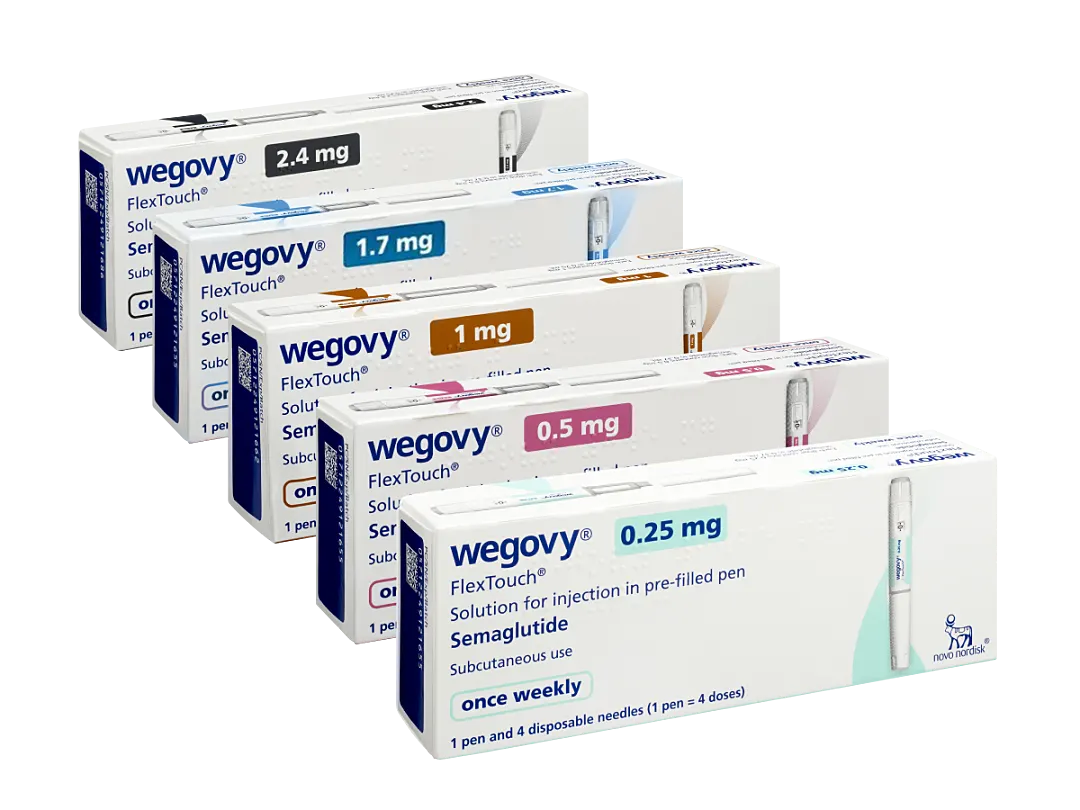
Can Rapid Body Decrease Always a Healthy Objective?
While a desire for quick size reduction is common, it's crucial to consider whether that ever a safe aim. Extremely intense diets and intensive exercise plans generally lead to early progress, but these can also cause harmful health outcomes. Including can include nutrient deficiencies, tissue reduction, mineral imbalances, and even serious health problems. Some manageable way to shedding body usually requires slow modifications to nutrition and routine that support general fitness.
Decoding Body Reduction: Good Conditioning or a Latent Issue?
Unexplained body loss can be a surprisingly complex marker of overall well-being. While many people pursue weight reduction through diet and exercise, a significant and unplanned drop in bodily mass can sometimes indicate a more serious underlying health problem. It's crucial to consider this beyond the simple desire for a slimmer figure; rapid reduction could be connected to anything from malabsorption and thyroid concerns to, in more rare situations, even cancer. Therefore, seeing a doctor is essential to establish the reason and secure a complete check-up before assuming it's merely a favorable outcome of dietary modifications.